The Influence of Fan-Generated Content on Coverage of International Boxing Matches and Cycling Races
Written by Tina Hansen · Aug 21, 2026
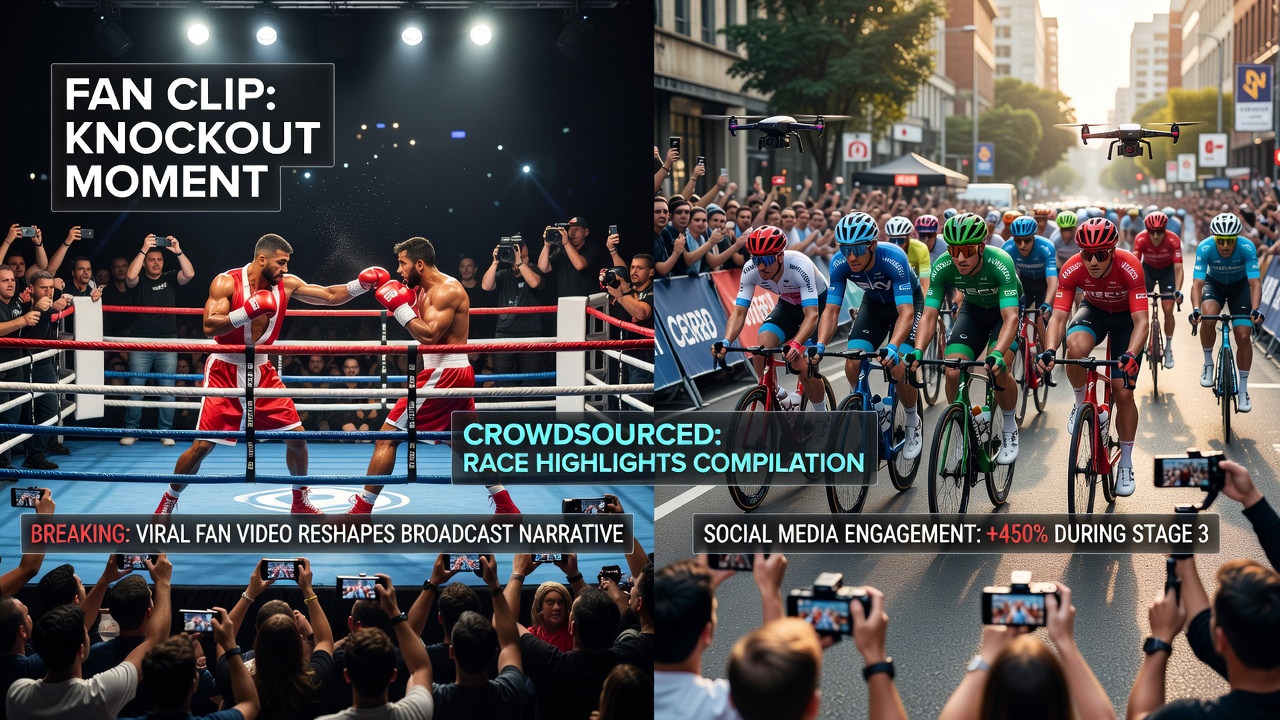
The Influence of Fan-Generated Content on Coverage of International Boxing Matches and Cycling Races
International boxing matches and cycling races have long drawn audiences through traditional broadcasts, yet fan-generated content now shapes how those events reach wider viewers and influence reporting priorities. Social media clips, live streams from spectators, and online discussions often surface details that mainstream outlets incorporate into their narratives, creating a feedback loop where fan material feeds into professional coverage and vice versa.
Early Shifts in Media Dynamics
Boxing promotions began noticing changes around major title fights in the mid-2010s, when short videos of undercard action or crowd reactions started circulating before official highlights aired. Cycling followed a similar pattern during multi-stage races, where roadside enthusiasts recorded breakaways or mechanical issues that television cameras missed due to limited angles. Data from event organizers shows that platforms like YouTube adn Instagram accounted for growing shares of post-event views, prompting networks to adjust their production schedules and integrate user submissions into recaps.
Boxing Coverage Transformations
During high-profile international bouts, fan footage frequently captures nuances such as fighter expressions or referee decisions from unique vantage points. Broadcasters have cited these contributions when expanding pre-fight analysis segments, while journalists reference viral moments to frame stories about athlete performance or judging controversies. In August 2026, several title defenses drew attention from global audiences partly because spectator videos highlighted training camp details and weigh-in interactions that traditional press conferences overlooked, leading outlets to allocate more airtime to fan-sourced context.
Observers note that this integration occurs because production teams monitor real-time trends to maintain relevance. When a particular angle gains traction online, editors often request similar perspectives from on-site crews or license clips directly from creators, streamlining the path from amateur upload to broadcast inclusion.
Cycling Race Reporting Patterns
Grand tours and one-day classics present different challenges because of their extended formats and variable terrain. Fan-generated material from climbs or sprint finishes supplies supplementary visuals that enhance television graphics and online articles. Race organizers report increased coordination with digital platforms to verify and credit these submissions, which helps maintain accuracy when official feeds encounter technical interruptions.

Studies conducted by the Australian Sports Commission indicate that viewer engagement metrics rise when broadcasts reference popular fan clips, particularly during stages that cross remote areas with fewer fixed cameras. This pattern emerged clearly in coverage of European events where local enthusiasts provided the first clear recordings of incidents that later dominated discussion threads.
Statistical Trends and Platform Roles
Figures released by media analytics groups reveal that boxing and cycling content tagged with fan origins receives higher interaction rates than purely official recaps. Platforms amplify this effect through algorithms that prioritize timely uploads, pushing certain moments into trending sections and thereby influencing which aspects receive follow-up reporting. Research from European academic institutions tracking sports communication shows measurable shifts in story selection, with editors increasingly cross-referencing social metrics before finalizing lineups.
Those who monitor digital footprints point out that timing plays a decisive role. Material posted within minutes of an occurrence often sets the tone for subsequent print and video packages, while slower traditional channels adapt by embedding these elements into longer-form analysis pieces.
Challenges in Verification and Credit
Accuracy remains a concern when fan content enters professional workflows. Outlets now employ dedicated teams to authenticate footage before use, drawing on cross-checks with multiple sources and metadata review. Cycling federations and boxing commissions have issued guidelines encouraging proper attribution, which helps sustain creator participation and reduces disputes over ownership.
What's interesting is how regional differences affect adoption rates. Events in North America tend to feature more rapid incorporation of fan material compared with some international circuits, where regulatory frameworks around image rights evolve at varying paces.
Conclusion
The interplay between fan-generated material and established coverage continues to evolve as technology lowers barriers to contribution. Boxing matches and cycling races demonstrate this through expanded visual libraries, adjusted editorial priorities, and heightened audience interaction, all supported by measurable engagement data and institutional adaptations documented across multiple seasons.